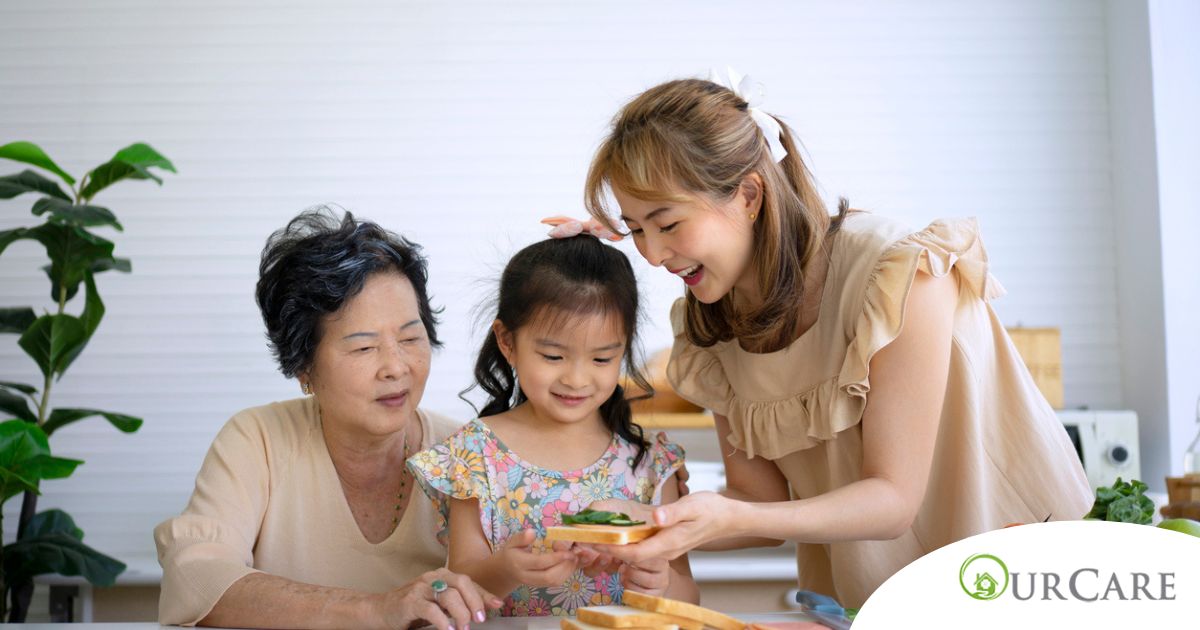
If caring for seniors feels harder than you ever expected, there is a reason. As a middle aged adult, you may be supporting a child younger than 18, worrying about an elderly parent, and trying to hold your career together all at once. That constant pull is what defines the sandwich generation.
Sandwich generation adults are increasingly becoming the primary support for their own parents while still helping their children. According to demographic trends from the Pew Research Center and the United States Census Bureau, adults ages 40 to 60 are facing these pressures in growing numbers as the aging population rises.
This guide is here to help you make sense of it all, offer practical ways to provide care, and show how elder care support can ease the pressure without taking away your loved one’s independent lifestyle.
Understanding the Sandwich Generation Today
Sandwich generation members are often the primary support for both an aging parent and their children or young adults. In some families, this includes grown children who have returned home, adding to financial responsibilities and emotional stress. Adult children may also play a role in providing financial support to elderly parents.
You may be part of the majority of caregivers who are women, though men are increasingly stepping into this role as well. Many caregivers are also financially supporting an aging loved one, covering groceries, transportation, or even providing direct financial assistance when money is tight. Family dynamics can shift significantly in the sandwich generation, as relationships and responsibilities change among middle-aged adults, their children, and aging parents.
Unlike a club sandwich, this role is not neatly layered. It is messy, emotional, and deeply personal. Family conflict can arise when making decisions about parental care and financial responsibilities, adding another layer of complexity to the caregiving experience.
The Emotional and Mental Health Toll
Caring for older adults while managing family and work can take a toll on your mental health. Caregivers often experience a wide range of feelings, including guilt, anxiety, stress, and even resentment. These feelings can impact your well-being and relationships.
Many caregivers also experience feelings of isolation and guilt due to their responsibilities and may struggle with complex emotions such as anticipatory grief and feelings of failure. It is common for caregivers to report a concerning decline in their own health as they manage the ongoing stress of caregiving. Caregivers often experience feelings of stress, burnout, and depression, and many are pressed for time, struggling to find opportunities for leisure activities.
Caregivers often put self care last, even though it is essential and vital to prevent burnout. Self-care includes maintaining your physical health and setting boundaries, but it is often neglected due to caregiving responsibilities. Even small steps, like talking with friends, joining a caregiver support group, or checking in with a counselor or social workers, can make a difference.
Common Challenges for Sandwich Generation Adults
Many struggle with financial burdens tied to both elder care and child care. This may include helping an older parent pay bills, managing insurance, or handling legal issues related to long-term planning. Providing financial support on top of daily expenses can feel overwhelming, especially when available resources—such as support groups, professional services, or family help—are limited or stretched thin.
Time is another challenge. You may be coordinating daily activities, doctor visits, and help with daily living tasks, while also supporting children, other adults in your household, and work obligations. Many caregivers report a concerning decline in their own health as they manage these caregiving responsibilities.
At the same time, many aging adults want to live independently and remain in their own home. Balancing safety with dignity is one of the hardest parts of caring for seniors. Proper nutrition, hydration, and medication management are essential components of health management for seniors. Creating a care plan that documents health needs, routines, medications, and future goals is also crucial for effective caregiving.
Practical Ways to Care for Aging Loved Ones
One of the most important steps is accepting assistance. You do not have to do everything yourself. Taking care of seniors is not meant to be a solo effort, as caregiving responsibilities can impact your emotional, physical, and financial well-being.
Start by identifying where help is most needed. This could be meal preparation, transportation, companionship, or support with daily activities. Even a few hours of help each week can reduce stress and improve quality of life for everyone involved. Person-centered care is essential—focus on the senior’s values, preferences, and goals, and involve them in decisions to maintain their dignity.
Clear communication with siblings, friends, and other family members can also ease the load. Active listening and clear communication are especially important when caring for seniors with cognitive decline.
Sharing updates and responsibilities helps ensure your aging loved one gets consistent care without one person carrying everything. Additionally, encourage participation in mental and social health activities to help combat loneliness and support overall well-being.
How Home Care Supports Families Like Yours
Home care services are designed to support aging adults while helping family caregivers breathe again. These services offer a range of benefits, including personalized, flexible, and comprehensive support that allows seniors to receive care in their own homes. Home care assistance often includes help with daily activities like bathing, dressing, and mobility, as well as personal care, companionship, meal prep, medication reminders, and light household tasks.
For many families, the benefits of home care services include reliable primary support so you can focus on work, children, and quality family time. Home safety checks—such as removing tripping hazards, improving lighting, and installing grab bars—are also important to ensure a safe environment. Remote monitoring with wearable devices can provide automatic alerts for fall detection, further enhancing safety. Home care can help seniors live independently and maintain an independent lifestyle in the place they feel most comfortable. OurCare Health provides personalized care tailored to meet the unique needs of each senior.
For example, an older parent who lives alone may need help with daily living but not full-time care. Having a caregiver visit regularly can support safety, reduce isolation, and give you peace of mind.
When to Ask for Help
If you feel overwhelmed, exhausted, or worried about your loved one’s safety, it may be time to explore additional assistance. Common signs include increased stress, growing financial pressure, or concerns about mental health for you or your loved one.
Reaching out early can prevent burnout and protect your relationships with your children and parents.
Supporting Families in New Rochelle
At OurCare Health, we work with clients throughout New Rochelle and Westchester, Bronx, Nassau, Suffolk, Rockland, Orange, Dutchess, Ulster, & Sullivan counties who are balancing the needs of multiple generations. Our services include Personal Care, Companionship, Recovery Care, Hospice Support, and Light Housekeeping are designed to support aging adults in their own home while giving family caregivers the help they need.
We understand the financial responsibilities, emotional strain, and tough decisions that come with caring for seniors. Our goal is to help your loved one stay safe, healthy, and connected, while you regain time and peace of mind.
If you are part of the sandwich generation and looking for guidance, contact OurCare Health to find out more. We are here to help you navigate this journey with clarity, compassion, and practical solutions.