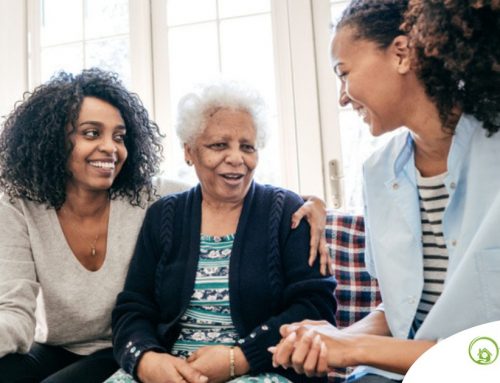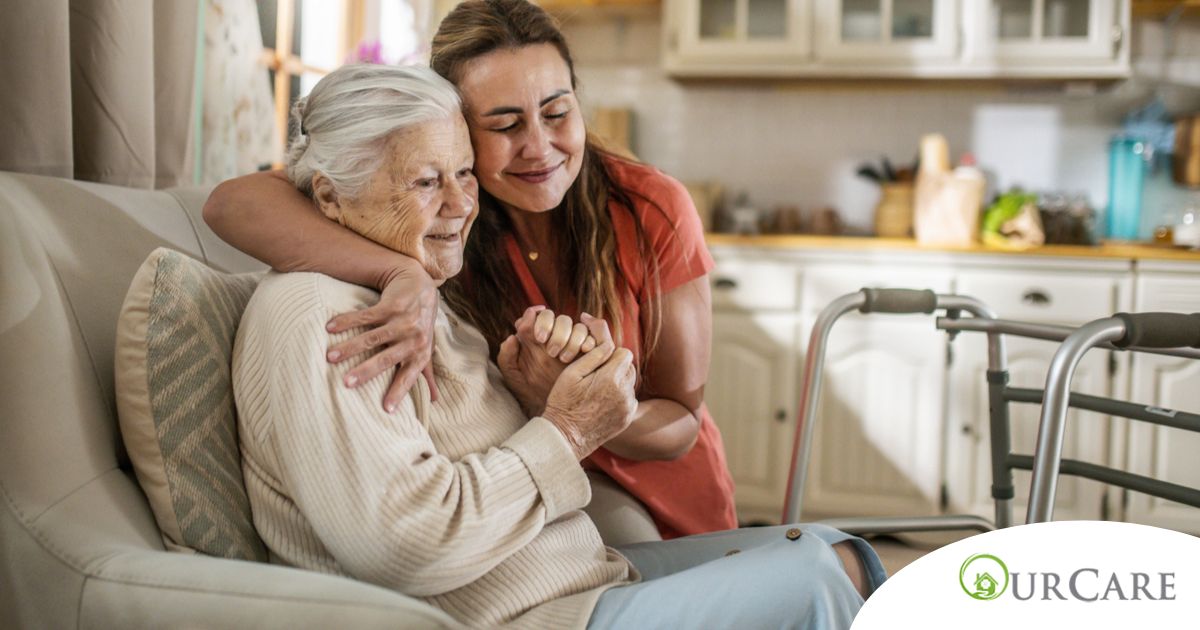
A family is sitting around a kitchen table having one of the hardest conversations they’ve ever had. Maybe a parent has had a fall. Maybe daily tasks that used to be simple — cooking, bathing, getting to the grocery store — have quietly become unsafe. The topic of senior home care has come up, and no one is quite sure what to say next.
This moment — the transition to receiving care at home — is one of the most emotionally layered experiences a family can go through. It touches on independence, identity, fear, love, and the slow acceptance that things are changing. According to AARP, 75 percent of adults aged 50 and older want to remain in their own homes as they age. The desire to stay home is strong. But the path to getting the right support in place isn’t always smooth.
That’s where caregivers come in. Not just to provide practical help, but to make the entire transition feel safer, calmer, and more human. If you’re considering a career in caregiving — even without prior experience — understanding what families are going through during this transition is one of the most important things you can learn. It’s also what makes this work so meaningful.
Why the Transition to In Home Care Is So Emotional
For most older adults, accepting help at home isn’t just a logistical decision — it’s a deeply personal one. It often means acknowledging that something has changed, that the way they’ve been living for decades needs to shift. That realization can bring up concerns about independence, identity, and the future — feelings of grief, frustration, and even embarrassment, no matter how loving the people around them are.
Family members carry their own emotional weight, too. Adult children may feel guilt about not being able to provide all the care themselves. Spouses may be exhausted — both physically and emotionally — after quietly shouldering everything for months or years. According to a 2025 report, 24 percent of U.S. adults are now serving as unpaid caregivers, and 64 percent of them report high emotional stress. The toll on mental health and overall well-being is real. Many family caregivers are stretched to a point where bringing in professional assistance isn’t just helpful — it’s necessary.
The transition to home care often begins with a difficult conversation, sometimes prompted by a doctor, a hospital stay, or a family member who’s noticed a slow decline. Emotions can run high. There’s often resistance — and that resistance usually comes from a place of love, not stubbornness. The older adult may worry about losing their privacy, being unable to make their own decisions, or having a stranger in their space.
As a caregiver, you step into this story at a pivotal moment. Understanding the emotional landscape — the hesitation, the grief, the hope — helps you show up in a way that truly supports the people you serve.
From First Conversation to Care Plan: What the Transition Actually Looks Like
Every family’s experience is a little different, but the general arc of the transition to senior home care tends to follow a pattern.
It usually starts with a recognition that something needs to change. Maybe the older adult has had a hospitalization, is managing chronic conditions that require daily attention, or a family member realizes that meals are being skipped, medications missed, or the house isn’t being kept up. From there, the family begins exploring options — often with the guidance of a doctor, social worker, or in-home care provider.
A care plan is developed. This outlines what kind of support the client needs most: help with personal care like bathing and dressing, companionship, meal preparation, medication reminders, transportation to appointments, or light housekeeping. The plan might start small — a few hours a week — and expand over time as needs evolve and trust is built.
Then comes the first visit. This is one of the most important moments in the entire process. For the client, it’s the day a new person walks into their home — the space where they feel most themselves. For the family, it’s the moment they find out whether this decision is going to feel right. And for you, as the caregiver, it’s your chance to set the tone for everything that follows.
How Caregivers Help Make the Transition Easier
The most meaningful thing a caregiver can do during the transition isn’t a specific task — it’s the way they make people feel. Families and clients remember how their caregiver showed up that first day. Did they listen? Were they patient? Did they respect the client’s space, their preferences, their way of doing things?
Here are some of the ways caregivers support a smooth transition:
Going at the client’s pace. Some people warm up quickly. Others need time. A good caregiver doesn’t rush the relationship. They let trust build naturally, one visit at a time.
Respecting routines and preferences. The client has been living in their home for years, sometimes decades. They have a way they like their coffee, a chair that’s theirs, a routine that gives their day shape. Learning those details — and honoring them — tells the client that their life still belongs to them.
Communicating with the family. Families want to know that their loved one is okay. A caregiver who checks in, shares observations, and maintains clear communication gives the family something they desperately need: peace of mind.
Staying steady when emotions are high. The early days of home care can be rocky. A client might be resistant, tearful, or frustrated. That’s not a sign that something is wrong — it’s a sign that this is a big change. A calm, consistent presence goes a long way toward helping everyone settle in.
None of this requires medical training or a health care degree. It requires compassion, patience, and a genuine willingness to meet people where they are.
Your Role on the Care Team: What a Caregiver’s Day Actually Looks Like
If you’re new to this field, you might wonder what the day-to-day work involves. The answer is: it depends on the client, but the focus is always on maintaining their quality of life — helping someone live each day with comfort and dignity.
You might help a client get dressed in the morning and prepare breakfast. You could drive them to a doctor’s appointment or accompany them on a short walk around the neighborhood. You might tidy up the kitchen, start a load of laundry, or organize medications for the week. On quieter days, you might simply sit with them — watching a show, looking through old photos, or just talking. Those quieter moments matter more than they might seem. For someone who has been feeling isolated or uncertain about the changes in their life, having a person they trust sitting beside them can shift the entire tone of their day.
Throughout it all, you’re paying attention. You notice if they seem more tired than usual, if they’re eating less, if their physical comfort or mood has shifted. These observations are a crucial part of your responsibilities. They help the care team — including the family and the agency — address concerns early and adjust the plan as needs change.
The skills you use most are the ones you can’t learn in a classroom: attentiveness, warmth, patience, and the ability to make someone feel safe. Everything else — the specific care techniques, the safety protocols, the documentation — is learned through training that your agency provides.
Why This Work Matters for Families’ Well-Being — and Yours
The need for people who can do this work is growing fast. The U.S. Bureau of Labor Statistics projects that home health and personal care aide positions will grow by 21 percent from 2023 to 2033, far outpacing the average for all occupations. Behind that number are millions of families across New Rochelle, Westchester, Bronx, Nassau, Suffolk, Rockland, Orange, Dutchess, Ulster, & Sullivan counties and the rest of the country who need someone to walk through the door and help their loved one feel okay about this new chapter.
And the impact goes both ways. When a professional caregiver enters the picture, the entire family benefits. The adult daughter who’s been losing sleep finally gets some rest. The spouse who’s been managing everything alone finally has someone to share the load with. Families who once felt like they had nowhere to turn suddenly have access to real resources and support.
That’s what makes this work different from most jobs. You’re not filling a role on a shift schedule. You’re stepping into someone’s life at a moment when they need steadiness, kindness, and care. And for many caregivers, that sense of purpose becomes the reason they stay in this field long after they expected to. What begins as a job often becomes a calling — a career in senior home care built on human connection and the knowledge that what you do every day makes someone’s life better.
How Do I Get Started as a Caregiver?
You don’t need a medical background or formal certification to begin. OurCare Health provides hands-on guidance so you can step into this role with confidence. What we can’t teach is the character you bring with you: the patience, the dependability, the genuine desire to help someone else.
OurCare Health serves families throughout New Rochelle and Westchester, Bronx, Nassau, Suffolk, Rockland, Orange, Dutchess, Ulster, & Sullivan counties, providing Personal Care, Companionship, Recovery Care — including Hospice Support, and Light Housekeeping. If you’re someone who wants to be part of something meaningful — someone who can walk into a home during one of the most vulnerable moments in a family’s life and make it better just by being there — we’d love to talk with you. Reach out today to learn more about joining the OurCare Health caregiving team.